25-Minute Focus
Set a timer for 25 minutes of uninterrupted work. One task, full attention, no distractions.
Educational overviews of planning frameworks you can adapt to your creative rhythm. General information only—results vary.
Dedicate specific hours to specific types of work. Create boundaries that protect your creative energy.
Group your work into categories: creative work, admin, communication, learning, and rest.
Block specific hours for each category. Be realistic about how long tasks actually take.
Treat time blocks as appointments with yourself. Minimize interruptions during focused work.
Include transition periods between blocks. Allow for unexpected tasks and mental reset.
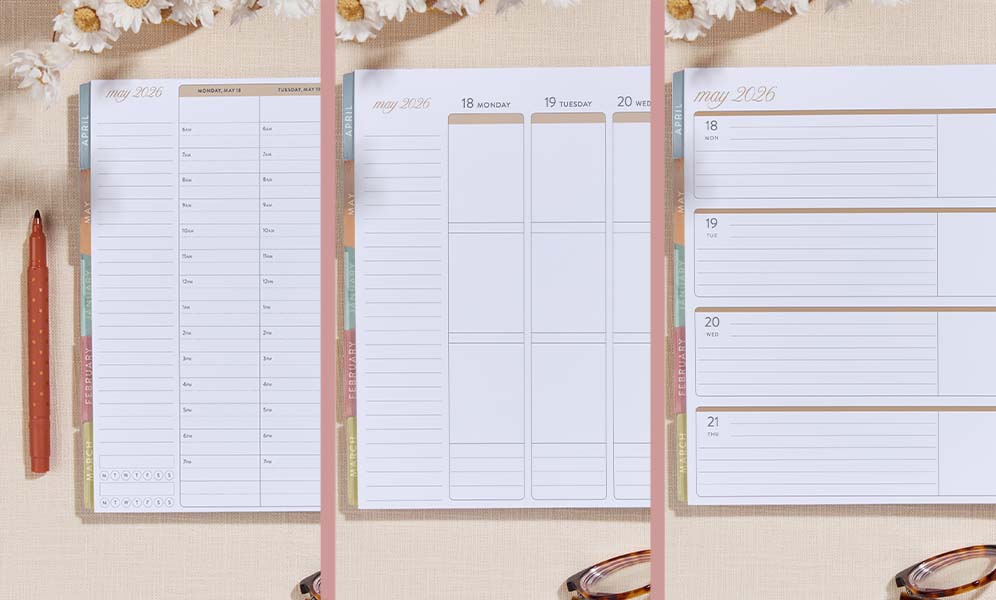
Align your tasks with your natural energy fluctuations throughout the day.
For one week, note your energy levels every two hours. Identify patterns and peaks.
Label tasks as high-focus, medium-focus, or low-focus based on cognitive requirements.
Schedule demanding creative work during peak energy. Save routine tasks for low-energy periods.
Don't fight your natural patterns. Work with them, not against them.
Your energy curve is unique. Mapping it can help you notice when focused work tends to feel easier.
Work in focused intervals with intentional breaks to maintain momentum and prevent burnout.
Set a timer for 25 minutes of uninterrupted work. One task, full attention, no distractions.
Step away completely. Stretch, hydrate, or simply rest your eyes. Let your mind wander.
Complete four pomodoros, then take a longer 15-30 minute break to fully recharge.
25 minutes isn't sacred. Some creatives prefer 50-minute sessions, others work better with 15. Experiment to find your ideal interval.
Keep a simple tally of completed sessions. Over time, you'll understand how many pomodoros different tasks require.
If interrupted, note the thought or request and return to your task. Address non-urgent items during breaks.
Assign themes to different days to reduce decision fatigue and create predictable creative rhythms.
Review the week ahead. Set intentions, organize projects, and prepare your workspace for focused work.
Reserve for your most demanding creative projects. Minimize meetings and external communication.
Schedule client calls, team meetings, and feedback sessions. Batch all collaborative work together.
Explore new ideas, experiment with techniques, or work on personal projects that fuel your creativity.
Handle invoices, emails, and administrative tasks. Clear the decks for a fresh start next week.
Disconnect from work. Recharge your creative energy through rest, hobbies, and time away from screens.
The most effective approach often blends multiple methodologies.
No single planning method works for everyone or every situation. The key is to understand the principles behind each approach and combine them in ways that serve your unique workflow.
Many freelancers find it helpful to combine weekly theming with daily time blocking and energy mapping:
Your ideal system will evolve. Start with one method, practice it for two weeks, then gradually layer in additional techniques. Pay attention to what works and what creates friction.
Explore our focus guide for overcoming common planning obstacles.